

When the Location Is Wearing the Clothes Too: Choosing Backdrops That Strengthen a Fashion Story
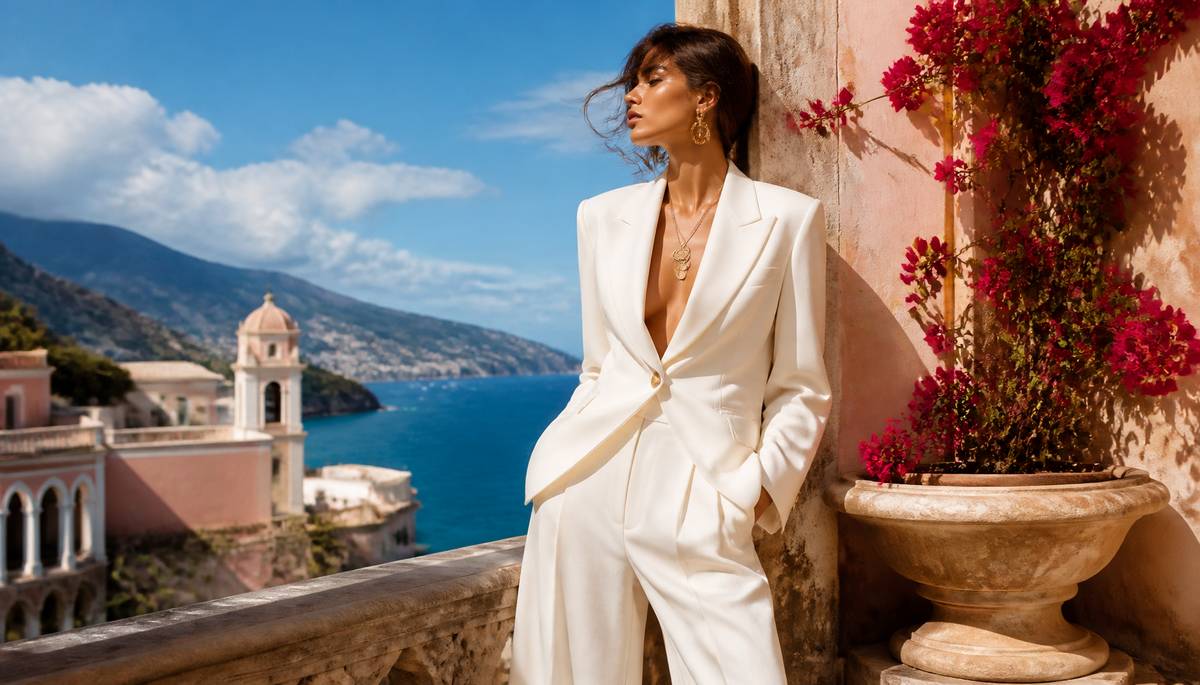 A white suit standing beside a white fridge is not automatically an editorial statement. It may simply look as though someone has opened the appliance in search of lunch while wearing very expensive trousers. Fashion photography works best when the setting does more than fill the empty space around a model. A carefully chosen background can deepen the mood, sharpen the colour palette and suggest a world in which the clothes belong.
The location is part of the styling. Its surfaces, scale, lighting and visual personality all affect how an outfit is read. A sharply tailored jacket can seem powerful against concrete and glass, playful beside faded seaside amusement signs, or strangely formal in a cramped launderette at midnight. None of those interpretations comes solely from the jacket. The backdrop has quietly joined the conversation.
Start With the Feeling Rather Than the Address
Before choosing a location, decide what the photographs should feel like. Not merely what they should show, but what should remain in the viewer’s mind after they have looked away. Is the story polished, rebellious, nostalgic, awkward, romantic, futuristic or quietly unsettling? Once that is clear, location scouting becomes much more focused.Architecture is especially useful because it comes with built-in emotional signals. Brutalist concrete can make soft fabrics look vulnerable or defiant. An ornate staircase can lend drama to simple clothing, while a clean modern office can make highly decorative garments seem even more eccentric. Old industrial spaces, arcades, car parks, greenhouses and stairwells all bring their own character without demanding a speech about it.
Look for lines that support the clothes. Vertical structures can reinforce a long silhouette. Curved walls can soften rigid tailoring. Repeated windows, tiles or columns may create rhythm behind a still figure. The aim is not to find the most dramatic place in the city and then hope the outfit survives the encounter. A location with twelve competing colours, three giant signs and an aggressive novelty statue can turn a beautiful coat into a minor supporting character.
Colour Has a Stronger Opinion Than You Think
Colour relationships matter just as much as architecture. A red dress against red brick may create a rich, unified image, but it may also cause the model to melt politely into the wall. Contrast can help separate clothing from its surroundings, while related tones can create a more restrained and cohesive result.It is useful to photograph a few test frames before committing to a scene. Digital previews can reveal problems that the eye overlooks, especially when a patterned outfit meets a busy background. Stripes behind stripes, checks in front of tiled walls, or a floral dress beside a floral pub carpet can produce visual confusion at remarkable speed. Sometimes the easiest solution is simply to move a few metres, change the camera angle or ask the model to stand in front of a less enthusiastic section of the room.
Let Weather Do Some of the Styling
Weather can transform an ordinary location into something memorable. Overcast light often flatters skin and preserves detail in clothing, making it useful for images that need softness without looking sugary. Bright sun can create bold shadows and strong contrast, which may suit graphic outfits, leather, metallic details or a more energetic visual direction. Rain adds reflection, movement and a certain cinematic tension, provided everyone involved accepts that damp socks may become part of the creative process.Wind is equally valuable when used with intention. It can lift a loose shirt, animate a long coat or give a dress the sense of a life beyond the frame. Yet it can also send hair across a model’s face with the precision of a tiny personal vendetta. Photographers should work with the conditions rather than constantly fighting them. If a garment has movement, choose a place where that movement will be visible. Open walkways, rooftops, bridges and wide streets can give wind room to perform.
Interiors Need Breathing Space
Indoor locations offer control, intimacy and a welcome escape from weather forecasts that appear to have been written by a mischievous relative. They can also become visually crowded very quickly. Furniture, lamps, wall art, cables, mirrors and door frames all enter the composition unless they are managed carefully.A strong interior does not need to be luxurious. A quiet café before opening, a hotel corridor, a domestic kitchen, an old library or a modest waiting room can provide texture and narrative. The important question is whether the room adds meaning to the clothing. A sharply styled model in a familiar, slightly mundane place can create tension that feels more interesting than another blank studio wall.
Keep an eye on distractions behind the model. A coat hook sprouting from someone’s head, a bright fire-exit sign or a half-visible bin can drain attention from an otherwise successful frame. These details are rarely glamorous, but they are often decisive. Moving the model slightly, opening a door for extra depth or narrowing the angle may solve the problem without turning the shoot into a furniture-removal operation.
Keep the Backdrop in Its Place
The best fashion locations contribute atmosphere without trying to become the main attraction. They should give the clothes context, not steal their lunch money. When scouting, consider whether the eye goes first to the garment, the face and the pose, or whether it disappears into a crowded scene. If the setting is louder than the outfit, simplify the frame, change direction or choose a quieter corner.A location can be striking while still allowing clothing to lead. That balance comes from restraint, observation and a willingness to reject a place that looked excellent on a map but behaves badly through a lens. When backdrop, styling and light work together, the resulting image feels intentional. The clothes do not merely sit inside the scene; they appear to have found the exact place where they were meant to be.
Article kindly provided by graham-emma.co.uk
Latest Articles
- When the Location Is Wearing the Clothes Too: Choosing Backdrops That Strengthen a Fashion Story
- How to Choose a Martial Arts Uniform That Moves With You
- From Shop Floor to Storyboard: What Retail Spaces Can Teach Fashion Photographers
- The Quiet Luxury Test: How to Tell When Design Is Doing the Talking
- Using Location as a Fashion Storytelling Tool
- Why Modern Style Is Becoming More Regional Instead of Global
- How Small Communities Quietly Became the Biggest Driver of Custom Clothing Culture
- How Climate Should Influence Your Wardrobe More Than Style Trends
- The Fit Illusion: Why Two Identical Sizes Can Feel Completely Different
- Micro-Fragrance Wardrobes: Why Owning 5 Small Bottles Can Beat 1 Big Signature Scent
- Why Your Wardrobe Feels Wrong Even When It Looks Good
- Capturing Real Emotion Without Telling Anyone to Smile
- Fashion Forward: Emotional Storytelling in Technical Cultures
- The Psychology of Tattoo Aesthetics: Why Certain Imagery Resonates
- Style That Works With Your Body, Not Against It
- Fashion Tourism on Wheels: Curated Shopping Routes Led by Chauffeur Guides
- The Charm of Certainty in a World of Indecision
- Can an Everyday T-Shirt Be Turned into a Modern Heirloom?
- Color, Ceremony, and the Psychology of Celebration
- Styling Graphic T-Shirts for Different Body Types
- Accessories
- Jewellery
- Footwear
- Skirts and Dresses
- Shirts and Blouses
- Beauty and Makeup
- Fashion Photography
- Sustainable Fashion
- Street Style
- Fashion History
- Fashion Business
- Fashion Styling
- Fashion Events
- Plus-Size Fashion
- Men's Fashion
- Women's Fashion
- Fashion Blogging
- Fashion Trends
- Fashion Retailers
- Fashion Tips and Advice
- Fashion Business Startups
- Fashion Around the World
- Lingerie
- Sportswear
- Weddings