
From Shop Floor to Storyboard: What Retail Spaces Can Teach Fashion Photographers
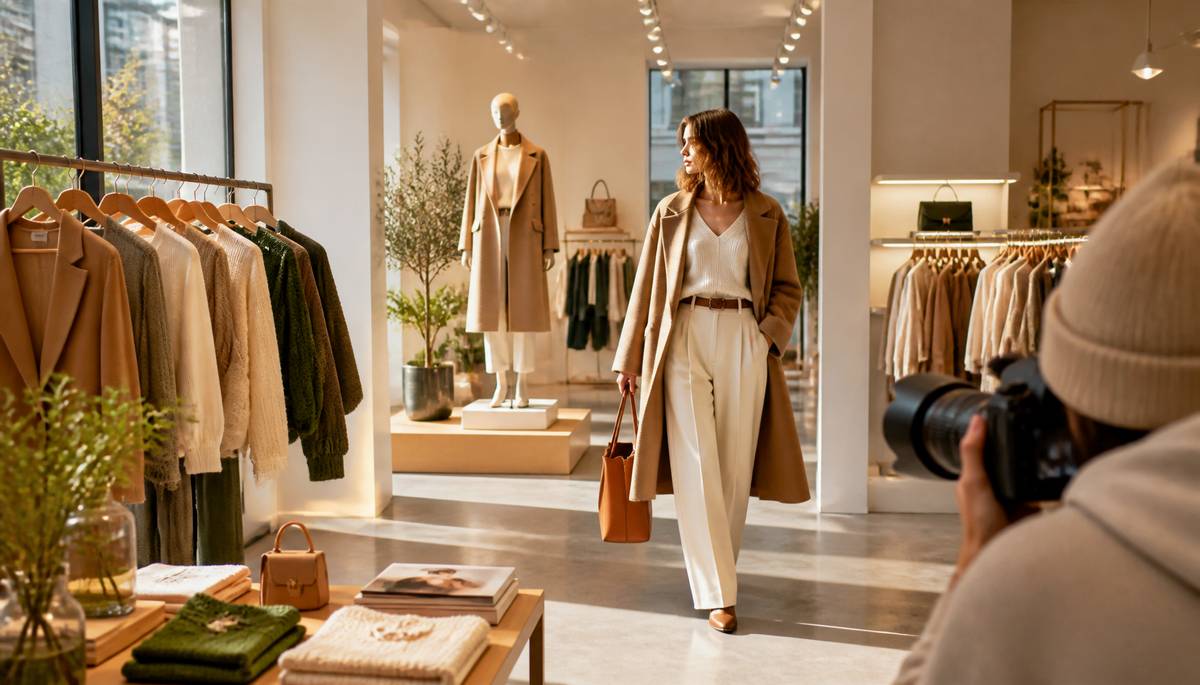 A clothing rack can reveal more about visual storytelling than an expensive lighting manual. Retail spaces are not built by accident. Every spotlight, walkway, and display stand exists to guide attention, shape emotion, and encourage curiosity. Fashion photographers who spend time studying shops often discover a surprising source of creative direction hiding between folded knitwear and slightly intimidating mannequins.
Fashion photography and retail design share a common mission. Both aim to present clothing in a way that sparks feeling rather than simply documenting fabric and seams. One works through a camera lens, the other through physical space. Yet the strategies are remarkably similar. Retail designers understand how people move, where they pause, and what persuades them to look twice. Those same principles can turn an ordinary fashion shoot into something far more engaging.
Lighting That Leads Rather Than Shouts
Walk into a well-designed boutique and the lighting rarely attacks the eyes like an interrogation room. Instead, it guides attention with quiet confidence. Feature displays glow softly while surrounding areas remain restrained. The effect feels natural, even though considerable planning sits behind it.Fashion photographers can borrow this approach by treating light as a guide instead of a flood. Retail spaces often use layered lighting, combining ambient illumination with accent sources to create hierarchy. A model wearing detailed textures or statement pieces benefits from similar treatment.
Hard light can produce dramatic editorial images, while softer lighting builds intimacy and elegance. The key lesson from retail design lies in contrast. Not every part of the frame deserves equal brightness. Viewers instinctively follow light, much like shoppers drifting toward a carefully illuminated display and absolutely not toward the clearance bin where chaos has established diplomatic independence.
Serious lighting decisions create atmosphere before styling has a chance to speak. Mood develops through shadow placement, brightness control, and colour temperature. Warm tones suggest comfort and luxury. Cooler tones can feel modern or distant. Retail designers know this well, and photographers benefit from studying how different spaces manipulate emotional response through illumination alone.
Display Psychology Beyond the Mannequin
Retail displays are carefully arranged stories. Garments are grouped to suggest identity, aspiration, or mood. Nothing appears random, even when a display aims to look effortless.This principle translates directly into fashion photography. Clothing gains power when supported by intentional visual context. Props, furniture, and background elements should not behave like distant relatives who turned up unexpectedly and now refuse to leave the frame.
A strong fashion image builds relationships between subject and environment. Retail displays often position hero products at eye level or within clean visual surroundings. Photographers can adopt this strategy by simplifying compositions and ensuring focal elements remain unmistakable.
Customer psychology also teaches an important lesson about decision fatigue. Overcrowded displays can overwhelm shoppers. Images packed with competing textures, colours, and objects often create the same problem. Editing visual clutter is not about minimalism for its own sake. It is about preserving attention.
Many successful retail environments rely on breathing room. Negative space encourages focus and gives products visual importance. Fashion photographers who embrace restraint frequently produce stronger results than those attempting to fit every clever idea into a single frame.
Movement Through the Frame
Retail spaces are designed around movement. Customers are gently steered from entrance to focal display, from new collection to accessories, from "just browsing" to somehow holding three jackets and questioning their financial planning.Fashion photography can use the same logic. A still image should still suggest movement, direction, or progression. Lines in the environment, the angle of a model's body, the fall of fabric, and the placement of background objects can all guide the viewer's eye.
A shop floor teaches photographers to think beyond the pose. Where does attention enter the image? Where does it pause? Where does it leave? Strong compositions create a visual route. Weak ones leave the viewer wandering around the frame like someone looking for the changing rooms without wanting to ask.
This is especially useful for lifestyle fashion shoots. A model walking past a window, leaning near a counter, or turning through a doorway can feel more believable than a rigid pose in the middle of nowhere. Retail environments understand that people respond to implied action. Photographers can use that to make clothing feel lived in rather than simply worn.
Atmosphere Is a Styling Tool
Retail spaces rarely sell clothes alone. They sell pace, mood, identity, and possibility. The scent, music, materials, lighting, and layout all support the same message. Fashion photography can learn from that total approach.A good shoot should ask what kind of world the clothing belongs to. A tailored coat might suit stone steps, clean architecture, and controlled light. A relaxed summer outfit may need movement, warmth, and a sense of casual imperfection. The environment should strengthen the styling, not compete with it.
This does not mean every photograph needs an elaborate set. Sometimes a blank wall, a chair, or a strip of window light is enough. The point is intention. Retail designers choose surroundings to influence perception. Photographers should do the same.
When atmosphere is treated as part of the styling, images become more coherent. Clothes stop floating in visual isolation. They begin to suggest a life, a place, and a reason to exist beyond the hanger.
Checkout This Final Thought
Retail design offers fashion photographers a practical education in attention. It shows how lighting directs the eye, how spacing creates value, how movement shapes experience, and how atmosphere turns clothing into a story.The next useful lesson may not come from a studio tutorial or an expensive new lens. It may come from noticing why one window display makes people stop while another becomes invisible street furniture. Study the shop floor closely enough, and it becomes a storyboard hiding in plain sight.
Article kindly provided by gdholland.co.uk
Latest Articles
- When the Location Is Wearing the Clothes Too: Choosing Backdrops That Strengthen a Fashion Story
- How to Choose a Martial Arts Uniform That Moves With You
- From Shop Floor to Storyboard: What Retail Spaces Can Teach Fashion Photographers
- The Quiet Luxury Test: How to Tell When Design Is Doing the Talking
- Using Location as a Fashion Storytelling Tool
- Why Modern Style Is Becoming More Regional Instead of Global
- How Small Communities Quietly Became the Biggest Driver of Custom Clothing Culture
- How Climate Should Influence Your Wardrobe More Than Style Trends
- The Fit Illusion: Why Two Identical Sizes Can Feel Completely Different
- Micro-Fragrance Wardrobes: Why Owning 5 Small Bottles Can Beat 1 Big Signature Scent
- Why Your Wardrobe Feels Wrong Even When It Looks Good
- Capturing Real Emotion Without Telling Anyone to Smile
- Fashion Forward: Emotional Storytelling in Technical Cultures
- The Psychology of Tattoo Aesthetics: Why Certain Imagery Resonates
- Style That Works With Your Body, Not Against It
- Fashion Tourism on Wheels: Curated Shopping Routes Led by Chauffeur Guides
- The Charm of Certainty in a World of Indecision
- Can an Everyday T-Shirt Be Turned into a Modern Heirloom?
- Color, Ceremony, and the Psychology of Celebration
- Styling Graphic T-Shirts for Different Body Types
- Accessories
- Jewellery
- Footwear
- Skirts and Dresses
- Shirts and Blouses
- Beauty and Makeup
- Fashion Photography
- Sustainable Fashion
- Street Style
- Fashion History
- Fashion Business
- Fashion Styling
- Fashion Events
- Plus-Size Fashion
- Men's Fashion
- Women's Fashion
- Fashion Blogging
- Fashion Trends
- Fashion Retailers
- Fashion Tips and Advice
- Fashion Business Startups
- Fashion Around the World
- Lingerie
- Sportswear
- Weddings