

Using Location as a Fashion Storytelling Tool
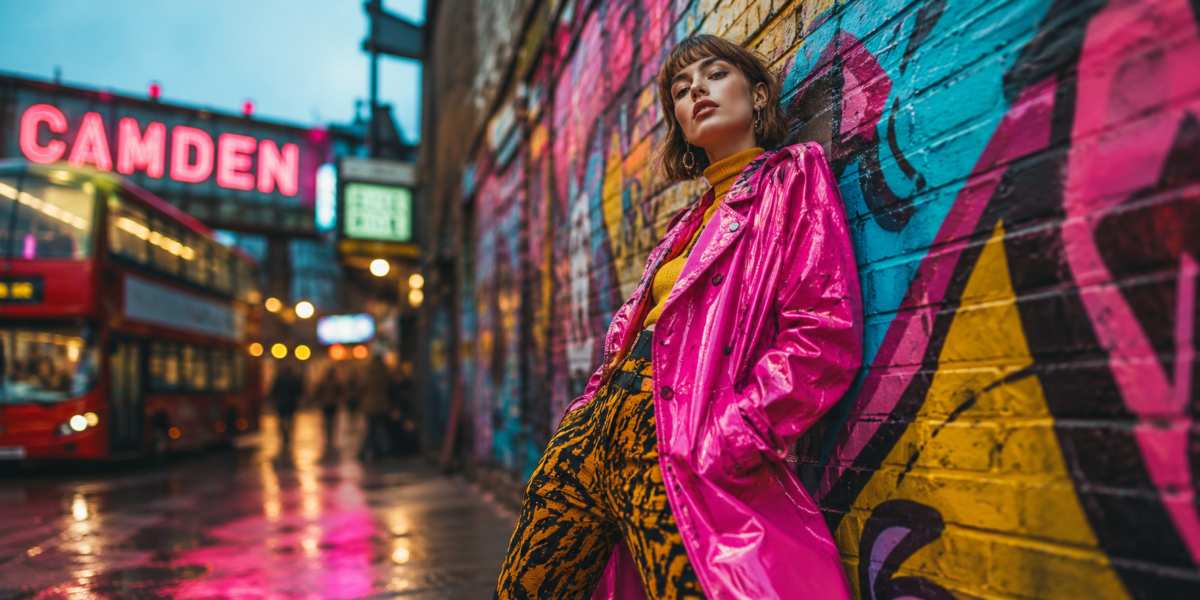 A staircase can flirt. A concrete underpass can argue. A faded seaside arcade can make silk look rebellious. Fashion photography often focuses on clothing first and location second, yet some of the most memorable images reverse that order. The setting stops behaving like wallpaper and starts shaping the personality of the entire frame.
Location Is Never Just Scenery
A model in a sharp black coat photographed against glass towers tells a very different story from the same coat shot beside a chipped garden wall. The garment has not changed, but its meaning has. Architecture, street markings, shopfronts, weathered doors, hotel corridors, rooftops, markets, train platforms, and even suspiciously dramatic car parks can all push fashion into a more specific world.This is where location becomes a styling choice. A minimal outfit can feel expensive and composed against clean stone or polished metal. The same outfit in a noisy street market might feel practical, modern, and alert. A romantic dress in a derelict warehouse can create tension. A structured suit in a soft meadow can do the same, though the shoes may file a formal complaint.
Let the Setting Challenge the Clothes
The strongest fashion images often come from contrast. If the clothes and location agree too politely, the result can feel flat. A leather jacket in an alley is fine, but expected. A leather jacket in a bright botanical glasshouse suddenly has more bite. A delicate blouse in a boxing gym creates a question. A tailored coat at a funfair suggests character, not just styling.Contrast should still feel intentional. Randomness is not automatically creativity; sometimes it is just a model standing beside a bin because nobody checked the frame. Look for locations that add friction without stealing the whole image. The background should make the viewer understand the clothes differently, not wonder whether the shoot was interrupted by poor parking.
Colour Can Make or Break the Story
Before choosing a location, study its colour palette. Red brick, grey concrete, green tiles, yellow streetlights, blue shutters, or neon signage all change how clothing reads on camera. A cream outfit can glow against deep green. Bright styling can look electric against dull concrete. Black clothing can disappear into shadow unless the photographer gives it shape, texture, or light.Use Architecture Like a Silent Co-Stylist
Lines, shapes, and surfaces can quietly direct the whole photograph. A row of pillars can make a long coat feel more dramatic. A curved staircase can soften an angular outfit. A brutalist wall can make delicate fabric look more fragile, while ornate interiors can make simple tailoring feel sharper by comparison. Good architecture does not merely sit behind the subject; it gives the clothes something to respond to.The trick is to avoid letting the location become louder than the fashion. If every archway, railing, mural, window, and passing pigeon is fighting for attention, the outfit loses. Choose one strong visual feature and build around it. Let a doorway frame the silhouette. Let a tiled wall echo a print. Let shadows stretch a hemline. Let the background do its job without applying for the lead role.
Events and Everyday Places Have Built-In Energy
Fashion stories do not always need pristine studios or dramatic landscapes. Markets, train stations, cafés, hotel lobbies, record shops, galleries, sports grounds, and evening streets already contain movement and mood. These places give fashion a life beyond posing. A coat looks different when it seems ready to cross a rainy road. Sunglasses gain personality outside a corner shop. A satin skirt in a laundrette may sound odd until the colours, reflections, and machines begin behaving like a set designer with excellent timing.Unexpected locations work best when they still make emotional sense. Ask what the outfit might be doing there. Is it waiting, escaping, celebrating, wandering, performing, or pretending not to notice the photographer? That small implied story gives the image direction. Without it, even the most interesting location can feel like a travel photo that accidentally dressed well.
Ground Control to Major Wardrobe
The background becomes the outfit when it helps explain attitude. A strong location can make fashion feel expensive, rebellious, nostalgic, futuristic, playful, severe, or quietly strange. It can turn simple clothing into a character study and make elaborate styling feel connected to a real world.Before the next shoot, treat the location scout as seriously as the wardrobe pull. Walk the space. Notice the colours. Watch where the light lands. Check what the textures do to the fabric. Look for shapes that support the silhouette. Also check for bins, awkward signs, and background strangers making the expression of someone opening a council tax bill. Details matter.
When clothing and location work together, the photograph feels less like a product display and more like a scene already in motion. The viewer senses a world beyond the frame. That is when fashion storytelling becomes memorable: not because the background is beautiful, but because it has something to say.
Article kindly provided by videographymanchester.co.uk
Latest Articles
- When the Location Is Wearing the Clothes Too: Choosing Backdrops That Strengthen a Fashion Story
- How to Choose a Martial Arts Uniform That Moves With You
- From Shop Floor to Storyboard: What Retail Spaces Can Teach Fashion Photographers
- The Quiet Luxury Test: How to Tell When Design Is Doing the Talking
- Using Location as a Fashion Storytelling Tool
- Why Modern Style Is Becoming More Regional Instead of Global
- How Small Communities Quietly Became the Biggest Driver of Custom Clothing Culture
- How Climate Should Influence Your Wardrobe More Than Style Trends
- The Fit Illusion: Why Two Identical Sizes Can Feel Completely Different
- Micro-Fragrance Wardrobes: Why Owning 5 Small Bottles Can Beat 1 Big Signature Scent
- Why Your Wardrobe Feels Wrong Even When It Looks Good
- Capturing Real Emotion Without Telling Anyone to Smile
- Fashion Forward: Emotional Storytelling in Technical Cultures
- The Psychology of Tattoo Aesthetics: Why Certain Imagery Resonates
- Style That Works With Your Body, Not Against It
- Fashion Tourism on Wheels: Curated Shopping Routes Led by Chauffeur Guides
- The Charm of Certainty in a World of Indecision
- Can an Everyday T-Shirt Be Turned into a Modern Heirloom?
- Color, Ceremony, and the Psychology of Celebration
- Styling Graphic T-Shirts for Different Body Types
- Accessories
- Jewellery
- Footwear
- Skirts and Dresses
- Shirts and Blouses
- Beauty and Makeup
- Fashion Photography
- Sustainable Fashion
- Street Style
- Fashion History
- Fashion Business
- Fashion Styling
- Fashion Events
- Plus-Size Fashion
- Men's Fashion
- Women's Fashion
- Fashion Blogging
- Fashion Trends
- Fashion Retailers
- Fashion Tips and Advice
- Fashion Business Startups
- Fashion Around the World
- Lingerie
- Sportswear
- Weddings