

Micro-Fragrance Wardrobes: Why Owning 5 Small Bottles Can Beat 1 Big Signature Scent
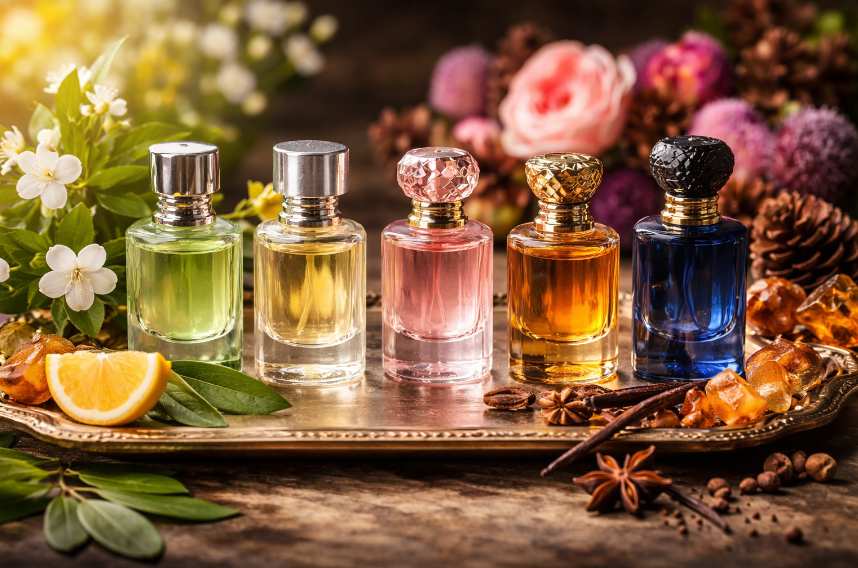 Scents have a strange habit of behaving like former crushes: fascinating in brief encounters, less convincing once they move in permanently. That is one reason the old idea of a single signature scent deserves a polite challenge. Wearing one fragrance for every season, mood, and occasion sounds elegant in theory. In practice, it can feel like insisting one jacket works for a heatwave, a funeral, a first date, and Sunday lunch with your aunt who comments on everything.
A micro-fragrance wardrobe offers a smarter approach. Instead of investing all your loyalty and budget into one large bottle, you build a small rotation of perhaps five fragrances. Each has a role. One might be crisp and clean for work. Another could be warm and close for evenings. A third might suit bright weather, a fourth gloomy days, and a fifth can exist purely because it makes you feel unusually competent while answering emails.
Why One Signature Scent Can Be Limiting
The idea of a signature scent carries a certain glamour. It suggests consistency, mystery, and the kind of personal branding usually associated with film stars or people who own expensive pens. But fragrance is unusually sensitive to context. Temperature changes it. Skin chemistry shifts it. Mood affects how it feels. Even the setting matters. A dense amber that feels luxurious on a cold evening can seem absurdly overdressed in a cramped train carriage at 8:15 in the morning.This is not a matter of being fickle. It is a matter of function. People do not eat the same meal every day because they lack discipline. They vary their choices because life varies around them. Fragrance works the same way. A scent that feels perfect in November may feel heavy in June. A bright citrus that sparkles on a summer afternoon may vanish completely at a formal dinner in winter.
Owning only one large bottle often locks people into a choice that stops making sense half the time. Since full bottles can be expensive, many end up forcing themselves to wear a fragrance simply to justify the purchase. That is how perfume turns from pleasure into obligation. Nothing says luxury quite like muttering, "I paid for this, so I suppose I live here now."
Why Small Bottles Make More Sense
Smaller bottles encourage flexibility. They let you explore different scent families without committing to years of use. That matters because taste evolves. What seems thrilling one month can feel exhausting six months later. With smaller bottles, the stakes are lower. You can experiment with woods, musks, florals, citrus, spices, and softer skin scents without giving over an entire shelf and a minor financial treaty.There is also a practical benefit: less waste. Fragrance does not exist outside time. It changes slowly as years pass, especially once opened and exposed to air, light, and heat. A giant bottle may look economical, but only if you actually finish it while it still smells as intended. Many people do not. They end up with half-used monuments to optimism gathering dust in a drawer.
A micro-wardrobe avoids that problem. Five smaller bottles stand a better chance of being used, enjoyed, and finished. They also reflect real life more accurately. Personal style is rarely one fixed note. It is a series of adjustments, preferences, instincts, and occasional dramatic decisions that seemed excellent at the time.
Building a Rotation with Personality
A useful fragrance wardrobe does not need to be large. It only needs range. Start by thinking in terms of roles rather than prestige. One bottle can be easy and fresh. One can be polished and understated. One can be warm and comforting. One can be bold enough for evenings or special occasions. One can be the oddball choice that makes no rational sense except that you love it anyway.That final category matters more than it seems. A good wardrobe should not feel like a spreadsheet with top notes. It should feel personal.
Matching Scent to Situation Without Overthinking
Rotating fragrances does not require a philosophical debate each morning. It can be simple. Weather is a reliable guide. Warm air tends to amplify sweetness and intensity, while cold air softens and contains it. A light citrus or green scent often feels sharper and more refreshing in heat, while richer compositions come into their own when temperatures drop.Mood plays a quieter but equally important role. Some days call for something subtle, almost invisible, especially when focus matters. Other days invite something more expressive. There are moments when a fragrance acts like a quiet background note, and others when it feels like the only interesting thing happening before lunch.
Occasion also shapes the choice. Work environments often reward restraint. Social settings allow more character. Evening settings can handle depth and warmth. None of this needs strict rules, but a bit of awareness prevents accidental overstatement. Wearing a dense, smoky scent to a morning meeting can feel like arriving in formal wear to a jog. Technically possible, but open to interpretation.
Spending Less While Getting More Variety
A surprising advantage of smaller bottles is financial clarity. Instead of placing a large sum into a single fragrance, you spread your budget across several. This reduces the pressure to "get it right" with one purchase. It also opens the door to trying styles you might otherwise avoid.There is a quiet confidence in choosing something simply because it interests you, not because it must represent you forever. Smaller formats make that easier. They turn fragrance from a long-term commitment into a series of shorter, more enjoyable chapters.
Impulse buying does not disappear, of course. It merely becomes less dramatic. Buying a small bottle on a whim is easier to forgive than staring at a full-sized one and wondering if it came with a lifetime contract.
- Try new scent families without committing to years of use
- Reduce the risk of buying something that only works in one season
- Keep your collection fresh rather than letting bottles sit untouched
- Adjust your choices as your taste evolves
When a Signature Still Has a Place
None of this eliminates the appeal of a signature scent entirely. Some people do find a fragrance that feels consistently right across contexts. It becomes part of how others recognise them. That can be satisfying.The difference is that it becomes a choice rather than a constraint. In a micro-wardrobe, a signature scent can exist alongside others rather than replacing them. It becomes the familiar option you return to, not the only one you are allowed to use.
This approach removes the pressure to declare one scent as "you" in a permanent sense. People are not fixed, and neither are their preferences. A rotation acknowledges that quietly, without turning it into a dramatic identity crisis in front of a mirror.
Scents and Sensibility
A well-chosen set of small bottles offers something that one large bottle rarely can: adaptability. It reflects the way real days unfold, with shifts in weather, mood, and setting. It keeps fragrance enjoyable rather than obligatory.More importantly, it allows for a bit of curiosity. Instead of asking whether a scent defines you, the question becomes whether it fits today. That is a lighter, more practical way to approach something that should feel like a pleasure rather than a commitment.
Five small bottles will not solve every decision. But they will spare you from wearing the same scent to a beach, a boardroom, and a candlelit dinner while pretending it was always the plan.
Article kindly provided by fragrancesamplesuk.com
Latest Articles
- When the Location Is Wearing the Clothes Too: Choosing Backdrops That Strengthen a Fashion Story
- How to Choose a Martial Arts Uniform That Moves With You
- From Shop Floor to Storyboard: What Retail Spaces Can Teach Fashion Photographers
- The Quiet Luxury Test: How to Tell When Design Is Doing the Talking
- Using Location as a Fashion Storytelling Tool
- Why Modern Style Is Becoming More Regional Instead of Global
- How Small Communities Quietly Became the Biggest Driver of Custom Clothing Culture
- How Climate Should Influence Your Wardrobe More Than Style Trends
- The Fit Illusion: Why Two Identical Sizes Can Feel Completely Different
- Micro-Fragrance Wardrobes: Why Owning 5 Small Bottles Can Beat 1 Big Signature Scent
- Why Your Wardrobe Feels Wrong Even When It Looks Good
- Capturing Real Emotion Without Telling Anyone to Smile
- Fashion Forward: Emotional Storytelling in Technical Cultures
- The Psychology of Tattoo Aesthetics: Why Certain Imagery Resonates
- Style That Works With Your Body, Not Against It
- Fashion Tourism on Wheels: Curated Shopping Routes Led by Chauffeur Guides
- The Charm of Certainty in a World of Indecision
- Can an Everyday T-Shirt Be Turned into a Modern Heirloom?
- Color, Ceremony, and the Psychology of Celebration
- Styling Graphic T-Shirts for Different Body Types
- Accessories
- Jewellery
- Footwear
- Skirts and Dresses
- Shirts and Blouses
- Beauty and Makeup
- Fashion Photography
- Sustainable Fashion
- Street Style
- Fashion History
- Fashion Business
- Fashion Styling
- Fashion Events
- Plus-Size Fashion
- Men's Fashion
- Women's Fashion
- Fashion Blogging
- Fashion Trends
- Fashion Retailers
- Fashion Tips and Advice
- Fashion Business Startups
- Fashion Around the World
- Lingerie
- Sportswear
- Weddings