

Why Your Wardrobe Feels Wrong Even When It Looks Good
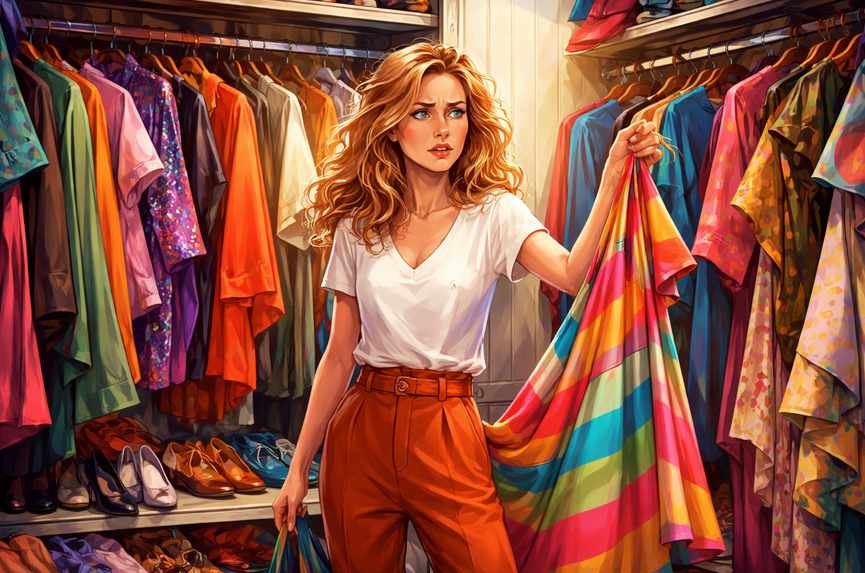 Some outfits look flawless in the mirror yet feel strangely off the moment you step outside. The fit is right, the colours work, and nothing is technically wrong, but something doesn't sit well. It's like wearing a costume you didn't agree to audition for. This disconnect is often a sign of style misalignment, where appearance and identity are quietly at odds.
Style misalignment doesn't announce itself loudly. It lingers in subtle discomfort, in the urge to tug at sleeves or change shoes halfway through the day. You might receive compliments while internally counting down the minutes until you can change. That contradiction can be confusing, especially when everything appears to be working on the surface.
Looking Right but Feeling Wrong
Clothing can succeed visually while failing personally. This usually happens when choices are driven by external standards rather than internal preferences. Trends, social expectations, or even well-meaning advice can steer decisions away from what genuinely feels natural.Wearing something because it is considered stylish can feel a bit like laughing at a joke you didn't quite understand. Everyone else seems convinced, so you go along with it, hoping it will click eventually. Sometimes it does. Often, it doesn't.
There is also the issue of lifestyle mismatch. Clothes chosen for an imagined version of life rarely cooperate with reality. A wardrobe filled with structured blazers might look impressive, but if most days involve relaxed environments, those pieces can feel unnecessarily rigid. The result is a constant sense of being slightly overdressed or out of place.
Spotting the Signs of Misalignment
Recognising misalignment requires paying attention to how clothing behaves beyond the mirror. The clues are often behavioural rather than visual.- Outfits that look great but are rarely worn
- Frequent outfit changes before leaving the house
- A tendency to default to the same "safe" items
- Feeling self-conscious despite receiving compliments
- Clothing that seems to belong to a different version of you
There is also a quieter indicator: relief. If changing into more casual or familiar clothing immediately improves your mood, that says more than any mirror ever could.
Why It Happens More Often Than You Think
Modern style advice often emphasises what works universally, but personal style is anything but universal. Body shape guides, seasonal palettes, and trend cycles can be useful tools, yet they can also overshadow individuality.It is surprisingly easy to build a wardrobe that ticks every technical box while missing the most important one: whether it feels like you. Following every rule can lead to an outcome that is correct but not convincing. The result is clothing that performs well visually but lacks personal resonance.
There is also the influence of aspiration. Buying for the person you think you should be can create a wardrobe full of ambition rather than reality. A collection of sharply tailored pieces might suggest a highly structured lifestyle, but if your days are unpredictable, those garments may spend more time waiting than working.
Even small details can contribute. Fabric textures, colour intensity, or silhouette choices might subtly clash with your preferences. None of these elements are inherently wrong, but together they can create a feeling that something isn't quite right.
Realigning Style with Identity
Correcting misalignment begins with observation rather than overhaul. There is no need to dramatically reinvent everything overnight. In fact, sudden transformations often create a fresh set of mismatches. A more effective approach is to notice what already works and build from there.Start with the pieces you reach for without hesitation. These items tend to align with both comfort and identity. They are worn on busy mornings, repeated without much thought, and rarely regretted halfway through the day. Analysing them can reveal consistent patterns in fabric, fit, and overall feel.
Ask simple but revealing questions:
- Does this item feel natural to wear, or does it require effort to "pull off"?
- Would I choose this if no one else saw it?
- Does this suit how I actually spend my time?
- Do I feel like myself in this, or slightly edited?
Gradually introduce more of what works. If relaxed silhouettes feel right, lean into them. If certain colours consistently lift your mood, prioritise them. This process tends to refine rather than restrict, creating a wardrobe that feels cohesive without being repetitive.
Balancing Expression and Practicality
A well-aligned wardrobe sits comfortably between self-expression and everyday function. Lean too far into practicality and things can become dull. Lean too far into expression and getting dressed may start to feel like preparing for a theatrical debut before a trip to the supermarket.The balance comes from understanding context. Clothes should adapt to your environment without erasing personality. This might mean choosing softer tailoring instead of rigid structure, or incorporating subtle details that reflect taste without demanding attention.
There is also value in accepting that not every outfit needs to be remarkable. Some days call for simplicity, and that is not a failure of style. It is a recognition that consistency often matters more than occasional brilliance.
Interestingly, when alignment improves, decision-making becomes easier. The wardrobe starts to function as a reliable system rather than a daily puzzle. Fewer items are ignored, and fewer purchases feel like mistakes waiting to happen.
Confidence That Feels Earned
Confidence in clothing is often misunderstood as boldness. In reality, it is more closely tied to ease. When what you wear reflects who you are, there is less need to second-guess or adjust. Movements feel natural, and attention shifts away from the outfit itself.This kind of confidence does not rely on approval. Compliments become a bonus rather than a requirement. There is a noticeable difference between wearing something impressive and wearing something that feels right. One invites validation; the other quietly holds its ground.
There is also a practical benefit. Aligned wardrobes tend to be more efficient. Fewer impulse buys, fewer abandoned outfits, and far less time spent wondering why a perfectly good shirt suddenly feels like a bad decision.
Stitching It All Together
Style misalignment is rarely about clothing quality or visual appeal. It is about connection. When that connection is missing, even the most polished outfit can feel like borrowed confidence.Realignment is not about chasing a better version of yourself but recognising the one already there. Once clothing begins to reflect that, the strange tension disappears. Getting dressed becomes less about getting it right and more about feeling at ease in your own choices.
Article kindly provided by styledbyid.co.uk
Latest Articles
- When the Location Is Wearing the Clothes Too: Choosing Backdrops That Strengthen a Fashion Story
- How to Choose a Martial Arts Uniform That Moves With You
- From Shop Floor to Storyboard: What Retail Spaces Can Teach Fashion Photographers
- The Quiet Luxury Test: How to Tell When Design Is Doing the Talking
- Using Location as a Fashion Storytelling Tool
- Why Modern Style Is Becoming More Regional Instead of Global
- How Small Communities Quietly Became the Biggest Driver of Custom Clothing Culture
- How Climate Should Influence Your Wardrobe More Than Style Trends
- The Fit Illusion: Why Two Identical Sizes Can Feel Completely Different
- Micro-Fragrance Wardrobes: Why Owning 5 Small Bottles Can Beat 1 Big Signature Scent
- Why Your Wardrobe Feels Wrong Even When It Looks Good
- Capturing Real Emotion Without Telling Anyone to Smile
- Fashion Forward: Emotional Storytelling in Technical Cultures
- The Psychology of Tattoo Aesthetics: Why Certain Imagery Resonates
- Style That Works With Your Body, Not Against It
- Fashion Tourism on Wheels: Curated Shopping Routes Led by Chauffeur Guides
- The Charm of Certainty in a World of Indecision
- Can an Everyday T-Shirt Be Turned into a Modern Heirloom?
- Color, Ceremony, and the Psychology of Celebration
- Styling Graphic T-Shirts for Different Body Types
- Accessories
- Jewellery
- Footwear
- Skirts and Dresses
- Shirts and Blouses
- Beauty and Makeup
- Fashion Photography
- Sustainable Fashion
- Street Style
- Fashion History
- Fashion Business
- Fashion Styling
- Fashion Events
- Plus-Size Fashion
- Men's Fashion
- Women's Fashion
- Fashion Blogging
- Fashion Trends
- Fashion Retailers
- Fashion Tips and Advice
- Fashion Business Startups
- Fashion Around the World
- Lingerie
- Sportswear
- Weddings