

How to Choose a Martial Arts Uniform That Moves With You
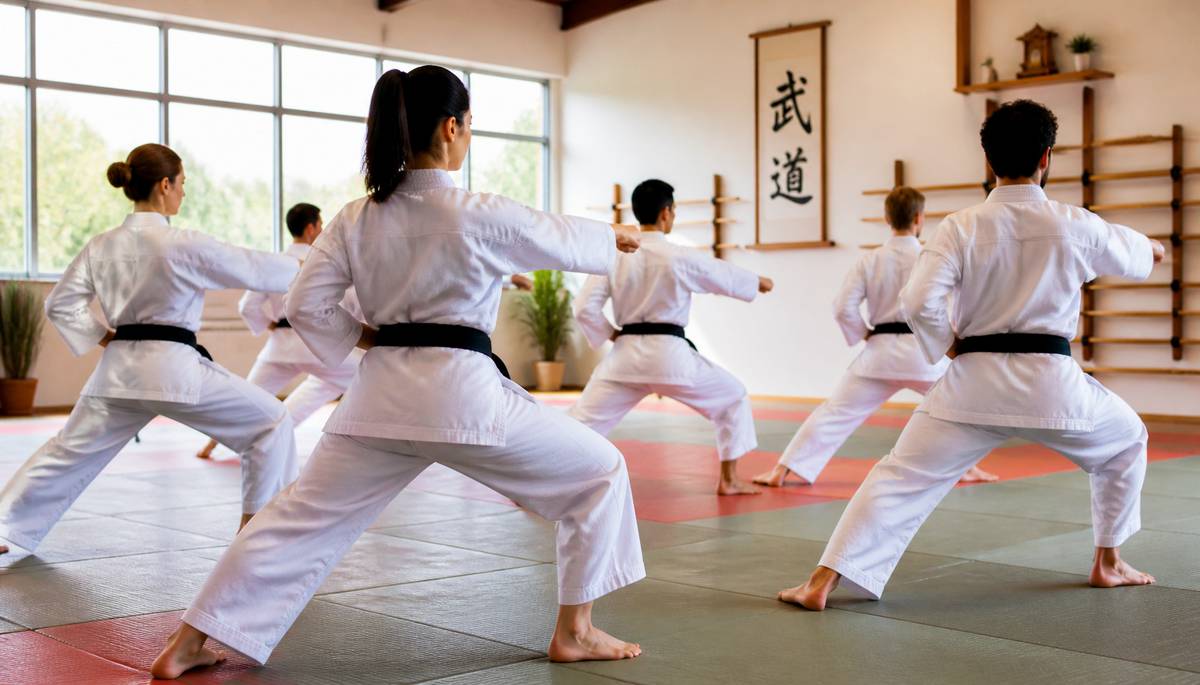 A martial arts uniform should fade from your attention once training begins. If you are constantly tugging at a sleeve, stepping on a trouser hem or wondering whether your jacket has become a public safety hazard, it is doing the opposite of its job. A good uniform gives you room to move, stays reasonably composed through drills and lets you concentrate on technique rather than wardrobe management.
The right choice depends on what you practise, where you train and how hard you train. A light summer uniform that feels excellent during a humid evening session may not survive regular grappling. Equally, a thick, stiff jacket can feel reassuringly traditional until you attempt a high kick and discover it has its own opinions about the matter.
Start With the Demands of Your Discipline
Different martial arts place different demands on clothing. Karate and taekwondo uniforms usually need to accommodate quick kicks, deep stances and sharp changes of direction. Judo and Brazilian jiu-jitsu uniforms must tolerate gripping, pulling and prolonged contact with mats. Kung fu styles vary widely, from loose, flowing garments to practical training jackets and trousers.Before considering colour, embroidery or whether the uniform makes you look faintly like a film extra, look at the movements you repeat most often. Can you raise your knee without the trouser seam biting into your leg? Can you extend your arms fully? Does the jacket remain secure during turning, blocking or partner work? These are the questions that matter.
A uniform is not merely a badge of belonging. It is training equipment. If your school specifies a particular style, follow that guidance first. Requirements often exist for sound reasons: safety, tradition, grading standards or the practical needs of the art. Once you know the permitted style, you can still choose a version that fits your body and your actual training conditions.
Fabric Weight Has a Job to Do
Fabric weight affects comfort, durability and how the uniform behaves in motion. Lightweight cotton or cotton-blend uniforms are cooler, dry more quickly and often suit beginners, children and warm training halls. They are particularly useful for arts based around striking and forms, where freedom of movement matters more than resisting a determined grip.Midweight fabrics offer a useful compromise. They tend to hold their shape better, withstand regular washing and provide enough substance without making every session feel like a dispute with a bedsheet. For many adult practitioners, this is the most practical everyday option.
Heavyweight uniforms are built for tougher use. Their material can withstand grabbing and pulling, which makes them suitable for grappling-based disciplines. They may also produce a satisfying snap during sharp techniques, although a dramatic crack from your sleeves is not, by itself, evidence of spiritual advancement.
Consider your climate honestly. A heavyweight cotton uniform in a cool dojo can feel substantial and dependable. The same garment in tropical humidity may become a portable weather system.
Breathability Matters More Than It Sounds
A uniform does not need to feel luxurious, but it should allow heat and moisture to escape. Training is demanding enough without feeling sealed inside a damp parcel. Natural cotton is popular because it is comfortable against the skin and generally breathable, while blends containing polyester can dry faster and retain their shape more easily.There is no universal winner. Cotton may feel cooler and more traditional, but it can stay wet after intense sessions. Synthetic fibres can be practical for frequent washing and travel, though some practitioners prefer the feel and appearance of natural material. If possible, try on different fabrics before buying. A uniform that looks immaculate on a product page can behave very differently after twenty minutes of drills.
Fit Should Allow Movement Without Excess
A well-fitted uniform gives freedom where the body needs it while avoiding loose material that catches, twists or flaps around. Sleeves should permit full extension of the arms, and trousers should accommodate lunges, squats and high kicks. The waist should sit securely without requiring a belt tightened to the engineering standards of a Victorian bridge.Avoid choosing a uniform simply because it is oversized. Extra fabric may seem comfortable at first, but it can interfere with footwork and make grips easier for an opponent. On the other hand, a uniform that pulls across the shoulders or strains at the thighs will discourage proper technique. You should be able to move through your art’s basic positions without feeling restricted or exposed.
Check sizing charts carefully, especially when buying online. Measurements are more dependable than labels such as small, medium or large, which have long been engaged in a private argument with reality. Remember that many cotton uniforms shrink after washing. If the manufacturer provides shrinkage guidance, take it seriously and wash the garment according to its instructions before making assumptions about the final fit.
Durability Is Part of the Value
A cheaper uniform can be sensible for a beginner who is still deciding whether a class is right for them. However, thin stitching, weak seams and low-quality fabric quickly become false economies for anyone training regularly. Reinforced knees, gusseted trousers and strengthened jacket seams are worthwhile features, particularly where repeated stretching, kneeling or partner contact is involved.Inspect the finish when your uniform arrives. Look for tidy seams, secure stitching and fabric that feels consistent throughout. Loose threads are not necessarily a disaster, but a trouser seam opening during a front stance is a memorable way to make everyone suddenly very interested in their own footwork.
Suit Yourself for Training
The best martial arts uniform supports your practice quietly. It suits the discipline, fits your range of motion, manages the conditions of the training space and holds up to repeated use. Choose practical fabric over novelty, sensible fit over dramatic excess and durability over a bargain that lasts three washes.When the uniform feels right, it stops asking for attention. That leaves you free to work on balance, timing, discipline and technique—the things that deserve it.
Article kindly provided by ghost-line.co
Latest Articles
- How to Choose a Martial Arts Uniform That Moves With You
- From Shop Floor to Storyboard: What Retail Spaces Can Teach Fashion Photographers
- The Quiet Luxury Test: How to Tell When Design Is Doing the Talking
- Using Location as a Fashion Storytelling Tool
- Why Modern Style Is Becoming More Regional Instead of Global
- How Small Communities Quietly Became the Biggest Driver of Custom Clothing Culture
- How Climate Should Influence Your Wardrobe More Than Style Trends
- The Fit Illusion: Why Two Identical Sizes Can Feel Completely Different
- Micro-Fragrance Wardrobes: Why Owning 5 Small Bottles Can Beat 1 Big Signature Scent
- Why Your Wardrobe Feels Wrong Even When It Looks Good
- Capturing Real Emotion Without Telling Anyone to Smile
- Fashion Forward: Emotional Storytelling in Technical Cultures
- The Psychology of Tattoo Aesthetics: Why Certain Imagery Resonates
- Style That Works With Your Body, Not Against It
- Fashion Tourism on Wheels: Curated Shopping Routes Led by Chauffeur Guides
- The Charm of Certainty in a World of Indecision
- Can an Everyday T-Shirt Be Turned into a Modern Heirloom?
- Color, Ceremony, and the Psychology of Celebration
- Styling Graphic T-Shirts for Different Body Types
- Getting Kids to Wear Their Hats Without a Bribe or a Meltdown
- Accessories
- Jewellery
- Footwear
- Skirts and Dresses
- Shirts and Blouses
- Beauty and Makeup
- Fashion Photography
- Sustainable Fashion
- Street Style
- Fashion History
- Fashion Business
- Fashion Styling
- Fashion Events
- Plus-Size Fashion
- Men's Fashion
- Women's Fashion
- Fashion Blogging
- Fashion Trends
- Fashion Retailers
- Fashion Tips and Advice
- Fashion Business Startups
- Fashion Around the World
- Lingerie
- Sportswear
- Weddings